Top vs. Left Website Navigation: Unraveling the Pros and Cons from a Tech Users Perspective
Mira Caldwell
Jul 13, 2023
Top vs. Left Website Navigation: Unraveling the Pros and Cons from a Tech Users Perspective
Mira Caldwell
Jul 13, 2023
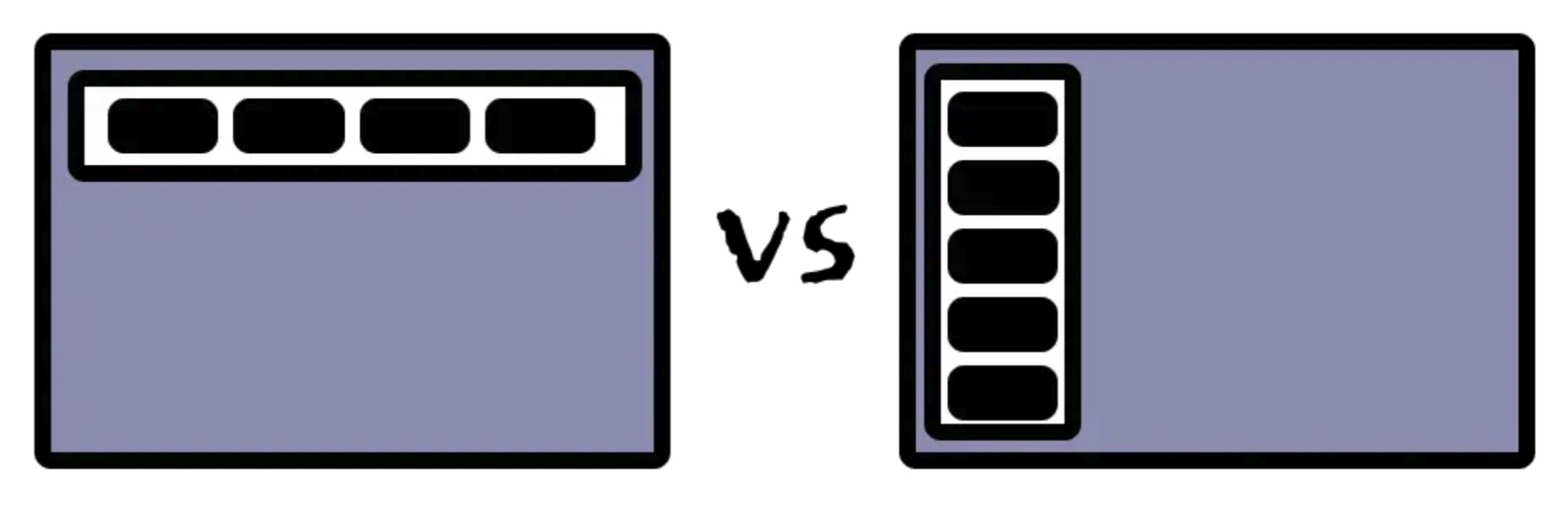
Navigation is one of the most fundamental design decisions on any website, but it’s also one of the most debated. Should menus sit neatly across the top, where users expect to find them? Or should they run down the left side, where tech-savvy audiences often feel more at home? As a UX designer focused on B2B tech websites, I’ve seen firsthand how this single choice can impact scannability, hierarchy, and overall usability. In this blog, I’ll share a condensed look at the pros and cons of top vs. left navigation—and why it’s worth rethinking the default approach for enterprise-scale sites.
Where should navigation live—at the top of a site or along the left side?
It’s one of the most debated questions in web design, especially when it comes to enterprise-scale B2B websites.
Top navigation has long been the industry standard. It’s familiar to most users, makes good use of widescreen layouts, and keeps the interface clean. But it also has real drawbacks: limited space, heavy reliance on dropdowns, and the risk of overwhelming users when content structures get deep.
Left navigation, on the other hand, is often overlooked in web design but feels second nature to tech users who live in tools like Slack, Asana, Jira, and Google Drive. It supports complex hierarchies, improves scannability, and adapts easily between desktop and mobile. The trade-off? It takes up more screen real estate and is less common on traditional marketing sites.
So which is best? The answer depends on your site’s audience, content depth, and design goals. For B2B tech websites in particular, left navigation often deserves a stronger place in the conversation.
👉 In my full article, I unpack the pros and cons of both approaches in detail and share why I believe left navigation should play a bigger role in enterprise UX:
Read the full article on Medium →